
Fall is here! And if you’re like me, your thoughts are turning to hearty stews, braised meats, soups and dinner parties. I’ve got four fall wine suggestions that are perfect for the seasonal change – and I shared these on “Good Day Chicago” on FOX32 on Tuesday, Sept. 23. You can watch the clip here:
Clean Slate Riesling (Germany) $12
I mean – this is your Oktoberfest wine! It’s a perfect pairing with bratwurst spiked with spicy Germany mustard and other signature Oktoberfest treats.
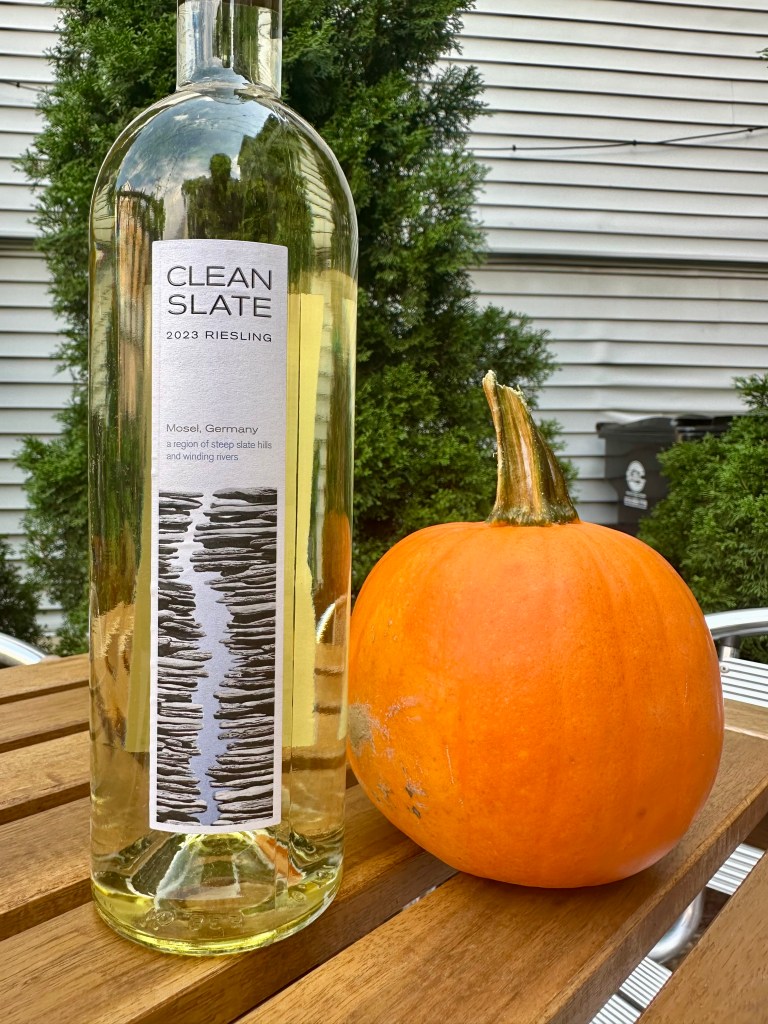
Clean Slate Riesling comes from Germany’s Mosel region, known for its steep, terraced vineyards. Grapevines love steep slopes because: great drainage, plus the Mosel’s slate soil retains daytime heat, helping the grapes ripen and develop luscious peach and crisp lime flavors.
And if I’ve said it once, I’ve said it a thousand times: not all Riesling is sweet. This one has just a touch of tropical sweetness to it, which is exactly what you want with savory, spicy, salty foods. Pro Tip: the lower the alcohol, the sweeter the wine. This one comes in at 10% alcohol – which also means you can keep the party going with a second glass! (Maybe a third!)
Try this with bratwurst, tangy Germany potato salad and salty pretzels dunked in German mustard. Prost!
Tilia Chardonnay (Argentina) $14
I first tasted this Chard several years ago, when the brand launched and I remember it for its commitment to sustainability – and also for it being a super-drinkable, easy-to-like Chardonnay. Now before you say, “Uh, I don’t like Chardonnay,” just wait a minute! The Chardonnay rainbow is WIDE, and ranges from buttery, oaky wines to dry-as-a-bone acid bombs.
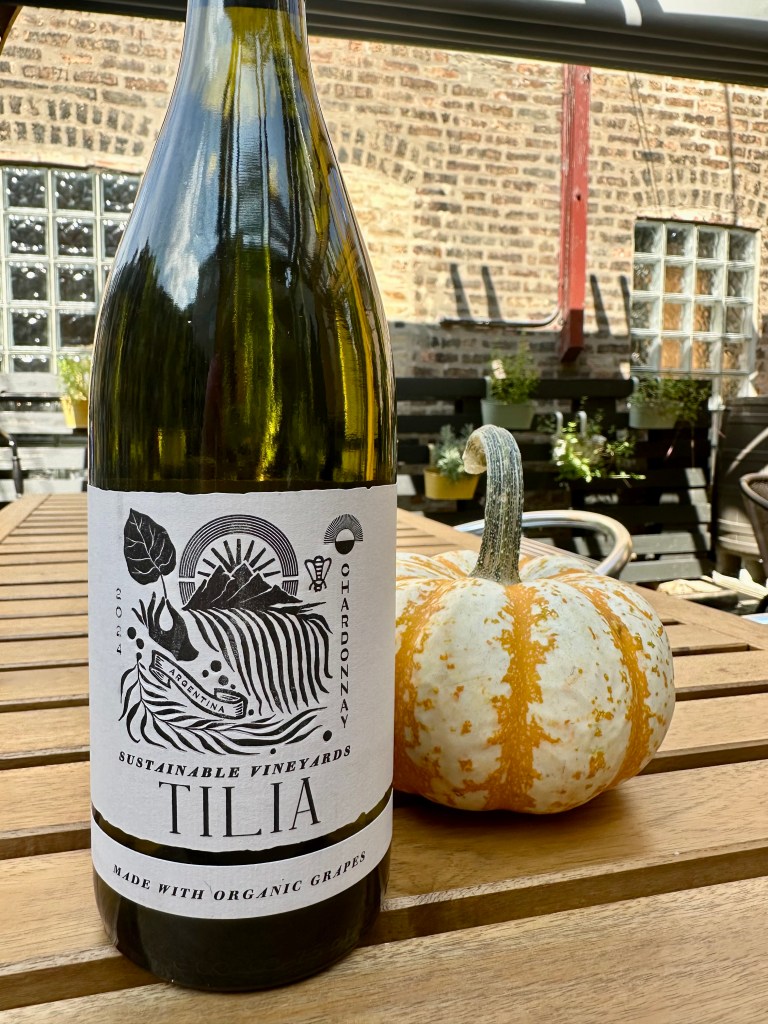
Tilia Chardonnay hits right in the middle, with a nice weight and restrained oak influence (three months) to bring some roundness to the texture. You’ll get a hint of buttered toast with a tiny swirl of vanilla spice, and you’ll immediately think of a creamy pasta like Fettucine Alfredo or Spaghetti Carbonara (I swear, the best pasta I’ve ever had was in Argentina; they had a huge influx of Italians during / after WW2), or a hearty baked squash dish.
Plus, you can feel great about supporting this brand because beyond producing excellent wines for excellent prices, they are building the sustainable farming movement in Argentina. They are the first Argentine wine to have the Bodegas de Argentina Certified Sustainable seal on their label.
Faustino V Reserva Rioja (Spain) $26
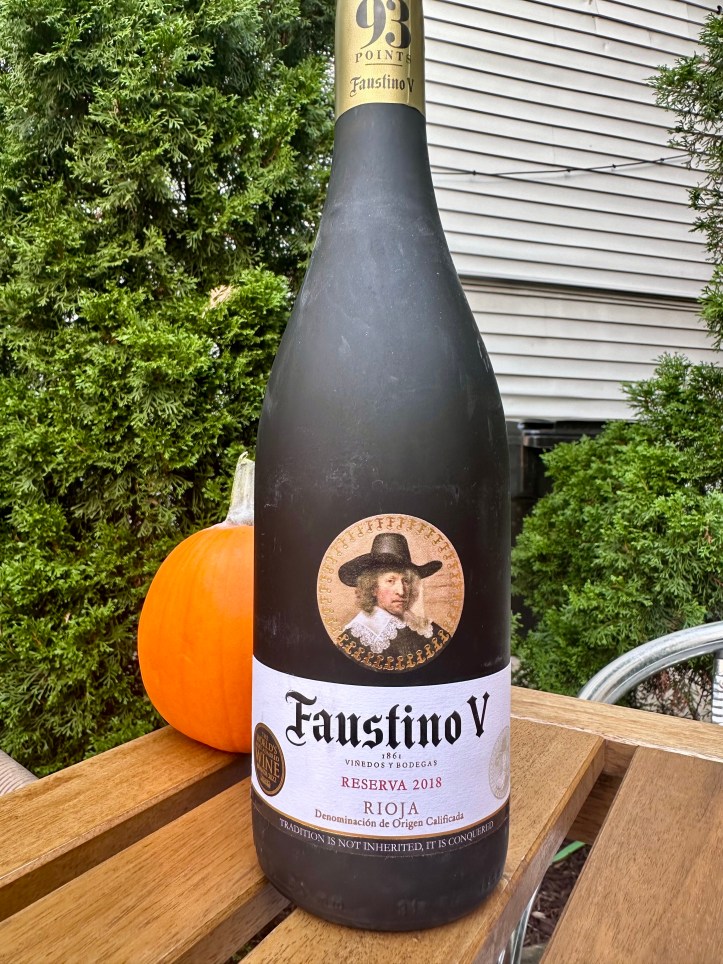
Bodegas Faustino was one of the first producers to make wine in Spain’s Rioja region more than 160 years ago, putting Rioja on the map as a premier wine-making region. One of the hallmarks of Rioja is the use of American oak (as opposed to French or other European oak). In the Faustino V Rioja, it imparts appealing notes of vanilla that accent the spicy, savory fruit compote, alongside other cozy notes like dried pip tobacco, leather and fresh earth.
It’s really well-balanced; dry but full of plush fruit. It’s exactly what you want with a hearty bean and barley soup, stews and even your Thanksgiving table.
The iconic label of the Faustino V features a portrait (by Rembrandt) of a Dutch merchant, reflecting the importance of merchants to global trade.
Silver Oak Alexander Valley Cabernet Sauvignon (Sonoma, California) $80-100
Every season deserves a luxury and this it! This beauty is exactly what you want with a table full of friends and a pot of Boeuf
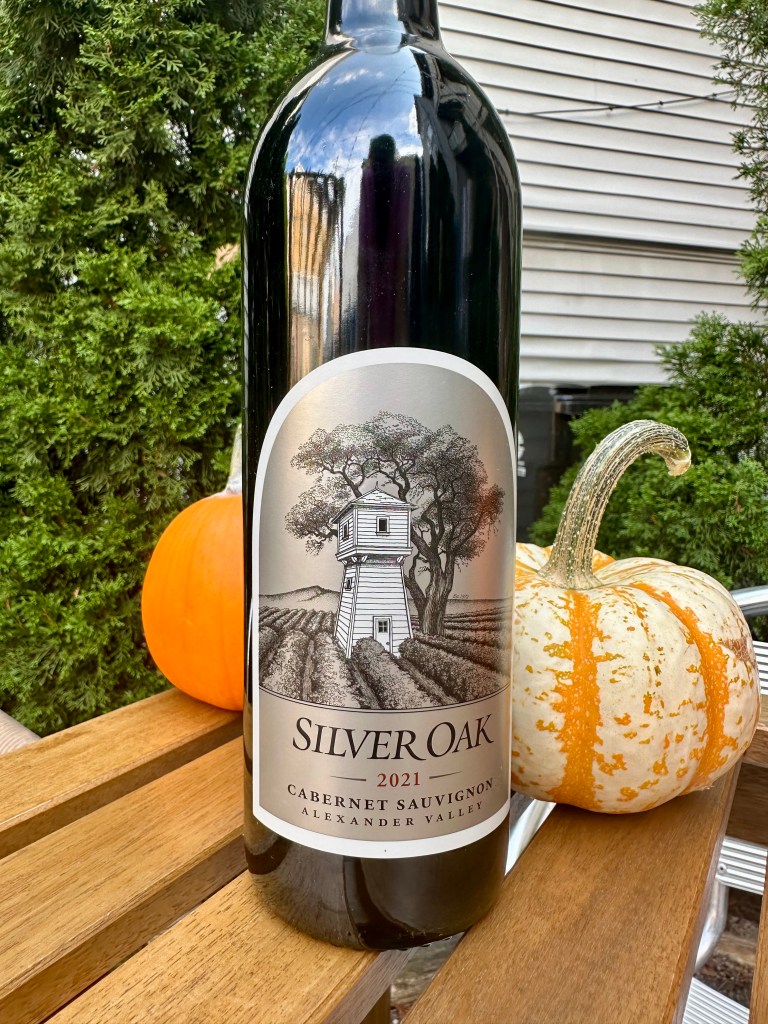
This legacy winery was established in 1972 and has been making exceptional Cabernet Sauvignons in Napa Valley and Sonoma Valley ever since. This Cab is fresh and friendly with cedar planks, vanilla and baking spices wafting from the glass. On the palate, you’ll find classic notes of blackberry and black cherry that are pure elegance.
Silver Oak stands out for its signature use of American oak for aging, and they even have their own cooperate in Missouri that makes their barrels. I think that’s cool (it’s the first winery I’ve heard of that crafts their own barrels). The winemaking team at Silver Oak likes American oak for the flavor and texture it imparts to the wine and it’s a fact that American White Oak is a little less tannic than French oak, which can be a benefit to aging. As for agebility, this wine will for sure age beautifully (for decades), but it’s also 100% drinkable now. Why wait? I can also see it on a Thanksgiving table.
Happy Fall everyone!
 What's in that Bottle?